Author Archives: Pat Zeyen

It’s still just dirt…August 2025 

By Sue Healey, Tillsonburg Horticultural Society

I’m always a bit anxious at the end of July. The last hot and heavy days of the month are saturated with colour; blue and yellow, deep coral, apricot and red. So much colour that I fear there will be nothing left for August. What could follow the riot of roses, bellflower and iris? I count the buds on the daylilies, estimating the last day of bloom, adjusting my schedule to ensure I witness it. I scan the garden for what is to come and fret there isn’t enough, or what is left to bloom will pale in comparison. But, come August, I am always relieved to see that the show continues even if it’s in a gentler tone. There is still plenty of colour to be seen in this final phase of the summer. 

Perennials and annuals with late season bloom offer us not only colour for the garden but food and shelter for the host of creatures that inhabit it. There are a range of easy to grow specimens to extend the season and often, display attributes well beyond bloom time.

In my own gardens, the rich blue of Balloon flower (Platycodongrandifloras) still lingers into mid August. Among them, the last of the Crocosmia wink out like sparks in the evening sky. Beyond that fading vignette is Russian sage (Perovskia atriplicifolia), it’s ghostly spires covered in a mist of smoky blue blossoms and finely cut, silvery leaves. This shrubby perennial thrives in the hot, dry summer we’ve had this year. Native bees and wasps and other little things come to drink at the tiny cups offered over July and August. I leave it all winter, those stiff, bleached branches snag the snow and the light and give me a reason to go out when it’s cold.

Across the way, in an echo of colour is sea lavender (Limoniumlatifolium). August is it’s peak bloom time and it does so with abandon. Large, multibranched stems hold tiny flowers, by the hundreds and open in slow succession over the weeks. Blue black sand wasps favour this late bloomer and make the perfect accent to the purple or white flowers. Deep rooted, Limonium is well suited to my dry, sandy soil and can even withstand the salty conditions of seaside gardens. In my landlocked yard, this perennial blooms until late summer, drying easily for winter arrangements. A self seeder and tenacious once established, it should be carefully deadheaded when grown in sandy soil.

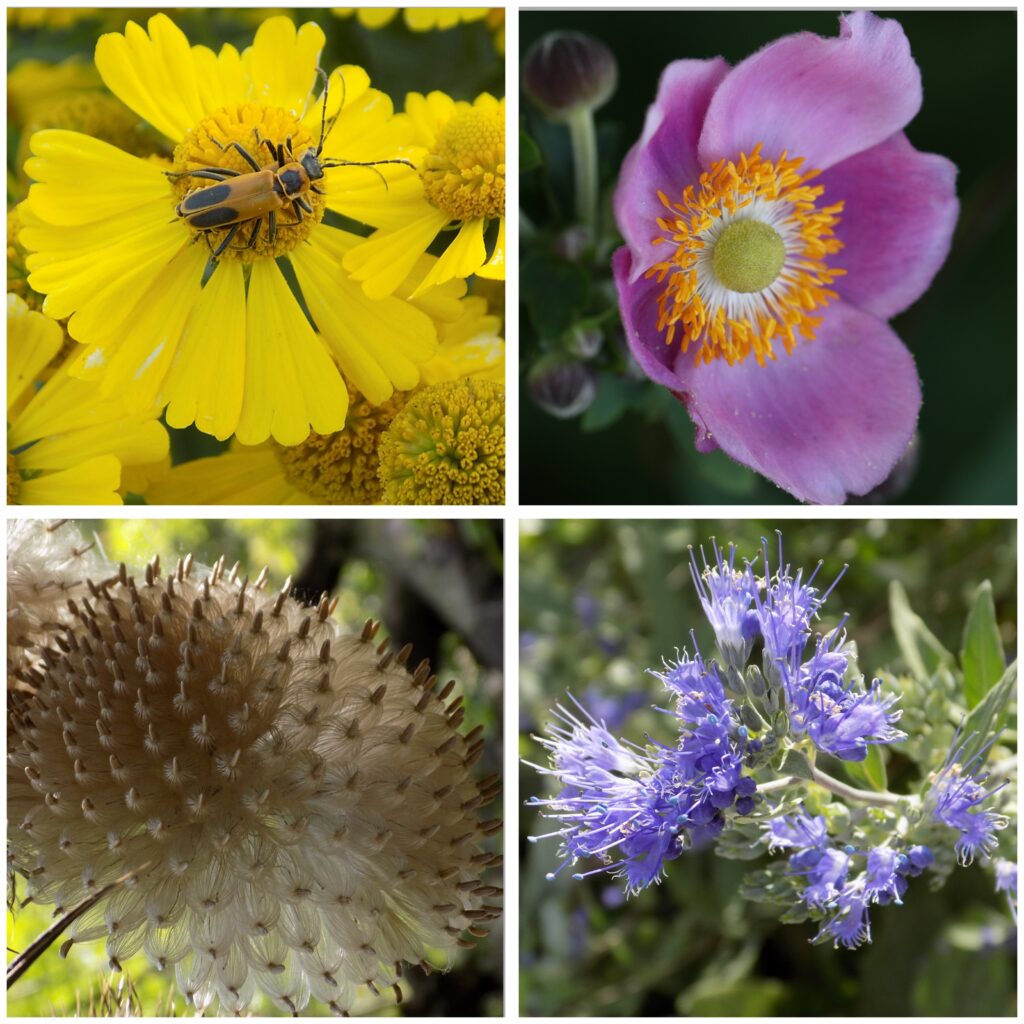
Against all that blue is lovely Helenium (Helenium autumnale) in buttery yellows, bronze, or copper. Often maligned by it’s common name of sneezeweed; this member of the Aster family blooms at the same time as the allergy inducing Ragweed. A clump forming perennial that likes moist, fertile ground, the extra coddling that Helenium needs to survive my sandy soil is well worth the trouble. Sunny flowers bloom atop sturdy, waist-high stems in late summer. Petals, pleated and crimped, arearrayed in single or double rows around a velvet brown dome. A generous clump of these late-blooming perennials, in a sumptuous mixture of colours, becomes a magnet for butterflies and other pollinators seeking nectar as the season progresses. Helenium does best with frequent division and an annual topping of composted manure to ensure good health.

In the oldest of my beds August belongs to the Grape-leaf Anemone (A. tomentosa). There she reigns supreme, just at the edge of the witch hazel. Her pale pink, single blooms float among the lower branches, giving the tree a second flowering. I grow a variety of Anemones from this large and diverse genus, from spring blooms to this last, hardy specimen. A. tomentosa is impressive from start to finish. Bold and vigorous, with three-part leaves and sturdy stalks, this mid-to-back of the borderperennial is long lived once established. Buds, covered in deep pink corduroy, dangle on stately stems splitting and curling to reveal, silken petals and lime green centres. The flowers come in shades of white to deep pink and are a favourite of the local bumblebees. The August air is filled with their joyful buzzing as they scramble through the golden tipped anthers. The last of the Anemone show is late in the year and may be my favourite part. When the seed heads dry, those tightly packed centres begin to give way. They spool out in the most dramatic way, like art unfurling before our eyes. I have spent long hours bent in trying to capture that art, many more just mesmerized by it.

There are other blooms to be had in August; Phlox in all it’s lavenders and pinks and individual perfumes. My ground supports pure white “David” who needs no work and is mildew resistant. If you have a moist, sunny spot, any variety will add colour for a month. For yellows in dryer earth, look to Rudbeckia and all it’s kin. Hydrangea paniculata, in creamy whites, pinks and greens begin to show their colours in mid-August, creating a striking backdrop for garden beds. Salvias and sedums, geraniums and asters are all yet to come and remind us that there is much to enjoy in the landscape as the summer matures.

Your local horticulture society is back from summer holiday with regular meetings commencing in September. The featured speaker is Sherry Burgess of St. Thomas Horticultural Society, sharing her experiences with the St. Thomas Elevated Park.

Tuesday, September 2, 2025, Tillsonburg Seniors Centre, 7:30 pm $20/year $5/meeting

Come as guest, stay as a member.

📷 S Healey 
It’s still just dirt…July 2025

by Sue Healey, Tillsonburg Horticultural Society 

It is the song of a little brown bird that tells me summer has come. On a summer morning it’s a Northern House Wren that I hear in the trees surrounding my home. Its clear repeating trill a sure sign that long, warm days are here to stay. Growing up, it was the lonely cry of Killdeer, echoing out over the sandy fields of Norfolk county that told me summer was here. Later, it was Bluebirds lilting through an old orchard that gave me the news. Always, it’s been the birds to herald the seasons and supply a soundtrack to them throughout the year. As my garden has matured my appreciation for what the birds add to it has only grown. Birdlife brings so many elements to a garden: sight, sound, and drama. They are a key element to a healthyecosystem, providing pest control, seed disbursement and soil enhancement. 

My garden welcomes both common and rare species, and I value each one. All worthy of attention and once noticed, hard to ignore. 

Long before we see them, a bird’s song lets us know they’ve arrived. The call of the Red-Winged Blackbird to herald the spring, the hooting of owls deep in the night, the soft cooing of a covey of doves, camouflaged in the rock garden. This year, a pair of sleek and shadowy Catbirds conducted their courtship under our witch hazel. Each evening the male serenaded his mate with a song long and complicated. Sometimes a melody, sometimes a wail and other times, a meow just as its commonname implies. There are other songs to be heard with morning and evening being peak times. There is the siren alarm of Cardinals, the chattering of Sparrows, Chickadees and Juncos, Woodpeckers, Nuthatches, and ones I haven’t yet named. Blackbirds signal the morning with a mechanical clockwork whir and the dusk sung into being by the Robins. Once you’ve begun listening, new and unfamiliar calls are quickly discerned. They can be just as quickly identified using widely available technology. 

The melodies of birds would be enough reason to admire them, but they come in so many shapes and sizes, in a range of colours and patterns that it dizzies the imagination. It is no surprise that bird watching is a passion unto itself. In all parts of the world, there are birds to be seen and heard. Our own area is filled with a variety of songbirds, raptors, owls and much more. From dusky to rainbow, bird plumage adds colour to rival the blooms in the garden. Jeweled toned hummingbirds and glowing orange Orioles are easily lured to the garden with nectar producing trees and plants. There are others as colourful, finches both purple and gold, their schoolyard chatter as cheerful as their plumage. Rose breasted Grossbeaks, glossy, blue-black Grackles and barred Bluejays are some of the most striking to visit my yard. But they need not be boldly hued to be beautiful. Stripes and streaks or patches of exciting red or orange are common among woodpeckers, plovers, and sparrows. Downy Woodpeckers are easily spotted in bold black and white, topped off with a rakish tuft of eye-catching red. The Catbird is grey velvet with a rusty orange rump and the Golden-crowned Kinglet, sports black brows and flashy crest. Even the much-maligned Starling exhibits spectacular plumage; iridescent blues and greens overlaid with delicate speckles of white. What you might spy depends on your area and tree cover, and what you’re offering. While migration adds variety in spring and fall, birds can be enjoyed here year-round.

Best of all, birds add a touch of wildness. Their untamed naturebrings drama and interest to the garden. There are courtships, turf wars, losses, and victories and most of it done on the wing. Hummingbirds are small and lovely but incredibly territorial. The sword fights between these winged jewels rival theShakespearean duel. We have cheered for the one-legged Robin who persevered through one long summer. We are seized with excitement by the speed and skill of the Red-tailed Hawk as it dives to snatch a reckless rabbit. Crows mate for life, as do Swans and Canadian Geese. I have stood in awe, as a flock of swans flew overhead, listening to their air move over their wings. It’s all there if you just pay attention. 

Drawing birds to your garden or backyard is as simple as adding a bit of habitat. Habitat is broadly a place for birds to live and more precisely, a place to find clean water, shelter from weather and predators, a place to find food and raise their young. While we may not be able to provide every aspect of a bird’s habitat, it’s easy to add one or two elements to most gardens. Water is one of the easiest features to add and happens to be one of the most important. My garden holds various pools of water; birdbaths and saucers that I replenish daily, and they use them all. Shelter is next in line of importance and again, easy to incorporate into most yards. Trees and shrubs, both evergreen and deciduous provide shelter in heat and cold, food and nesting sights. Native trees and shrubs offer the best solutions to both birds and gardeners but even hybrid varieties, chosen for height or fruit production can benefit wildlife. Cedar, Sumac, Oak, and Spicebush are good examples and readily available. 

Perennials and annuals offer nectar to hummingbirds and seed to finches, chickadees, and other small birds. Rudbeckia and echinacea are favourites of gold finches and sparrows, Monarda and Crocosmia bring hummingbirds until the frost. If plants are notan option, there are a myriad of feeder and food choices. As always, good research is advised to achieve success. The entertainment provided by the birds that come to visit the feeders is well worth the expense of maintaining them. 

Summer is a fine time to listen and watch the birds in the garden. The Tillsonburg Horticultural Society is on summer break to give our members a chance to do just that. If you happen to be a fortunate member, the August Social is the highlight of the year. The birds will be singing a welcome at ‘The Garden of Eden’ on August 5th, 2025. Regular meetings resume on September 2, 2025. 

📷 S Healey
🌺Tillsonburg Horticultural Society “Members Only” Garden Tour – July 9, 2025

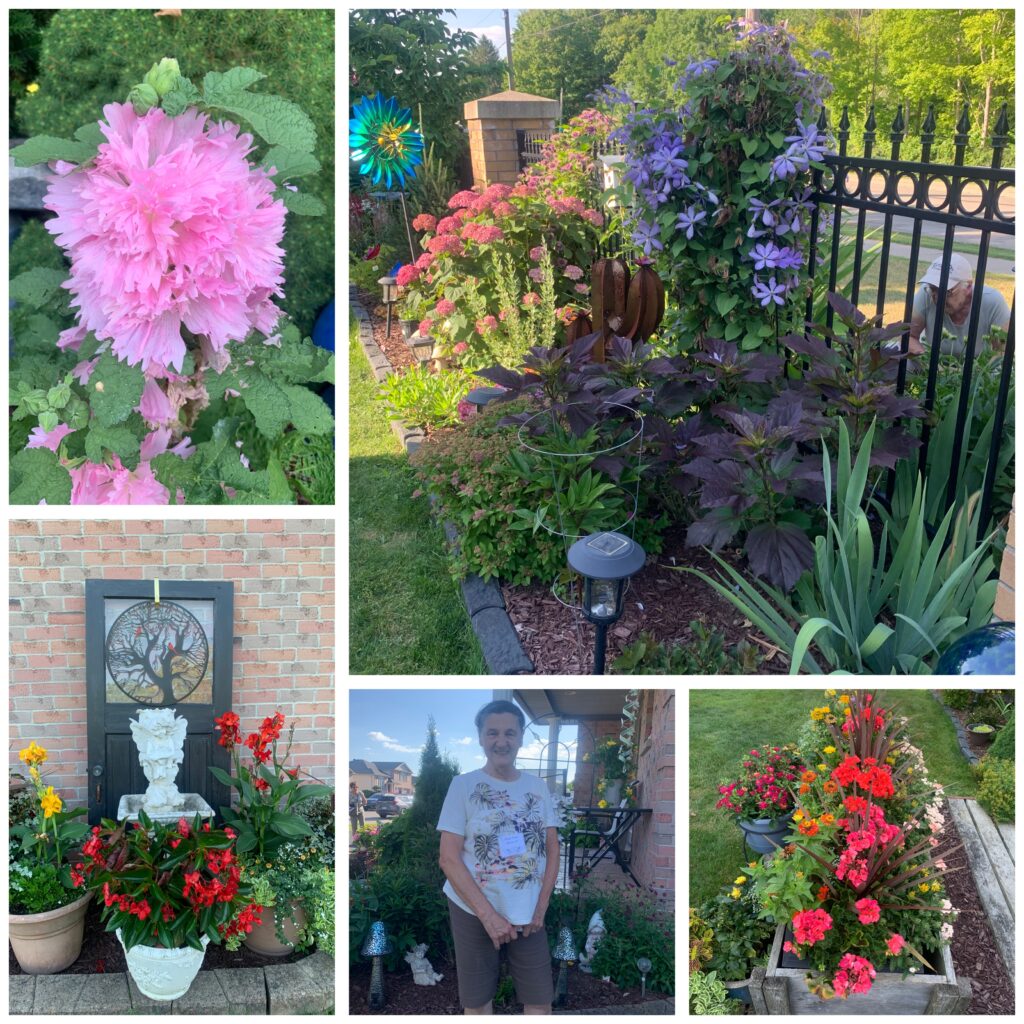
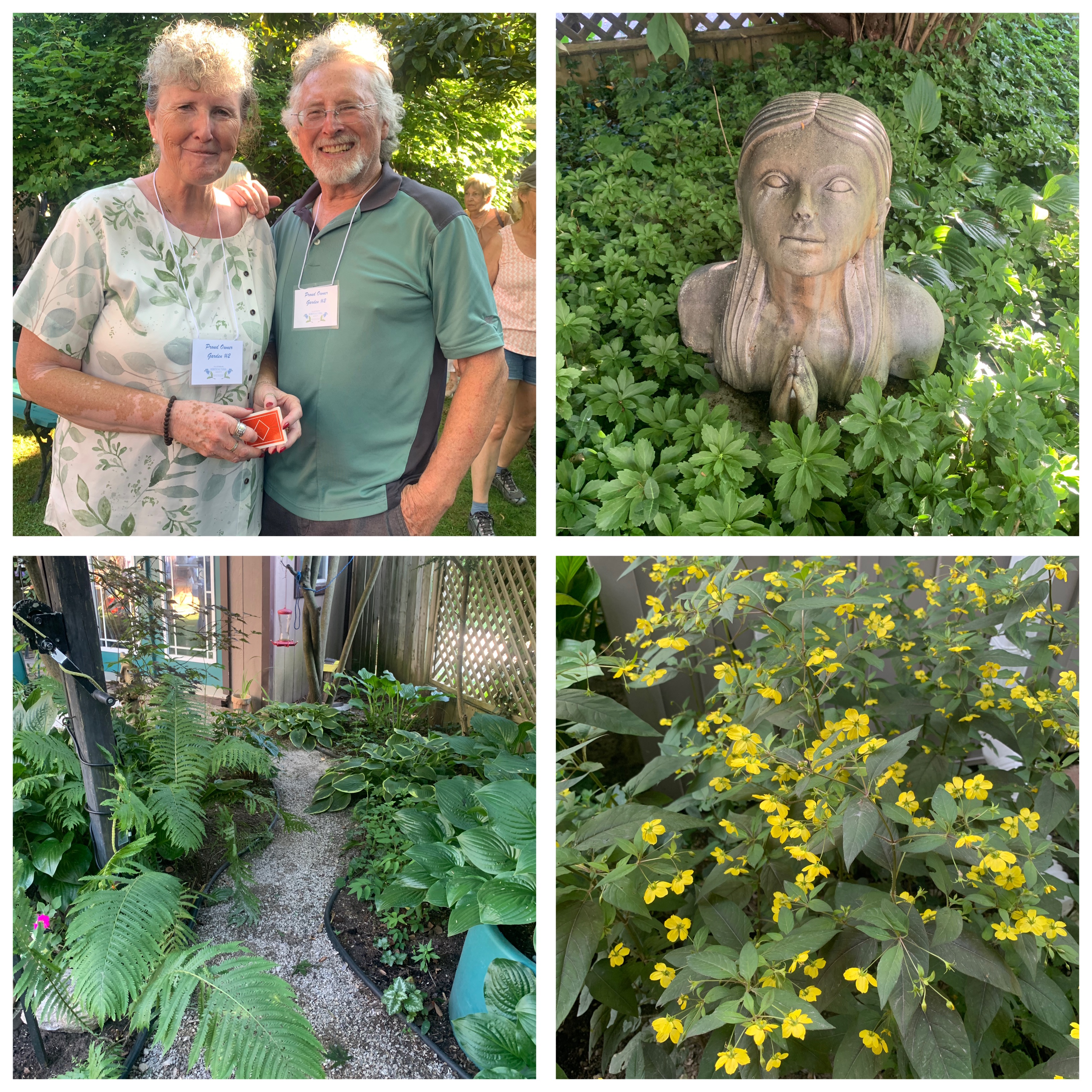
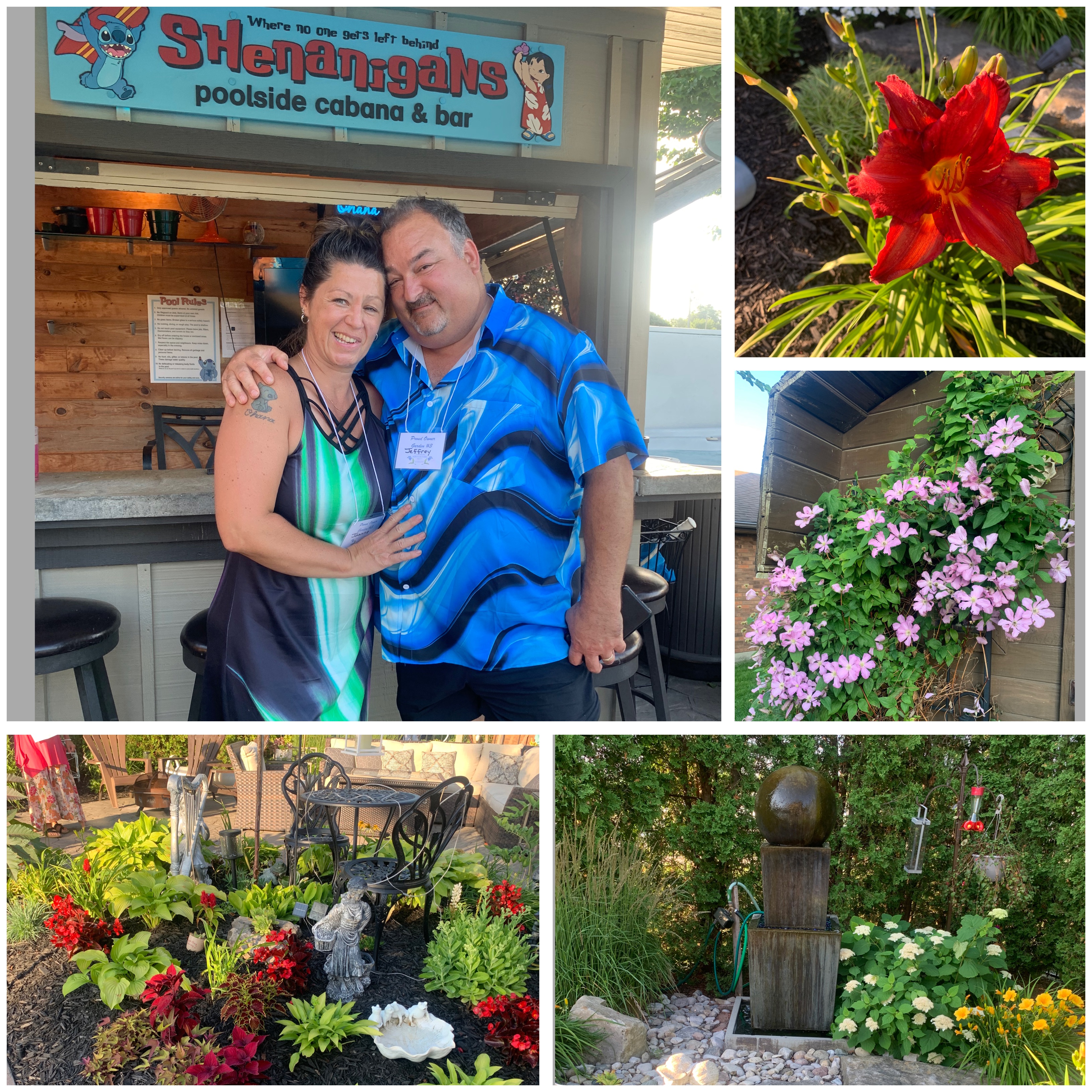
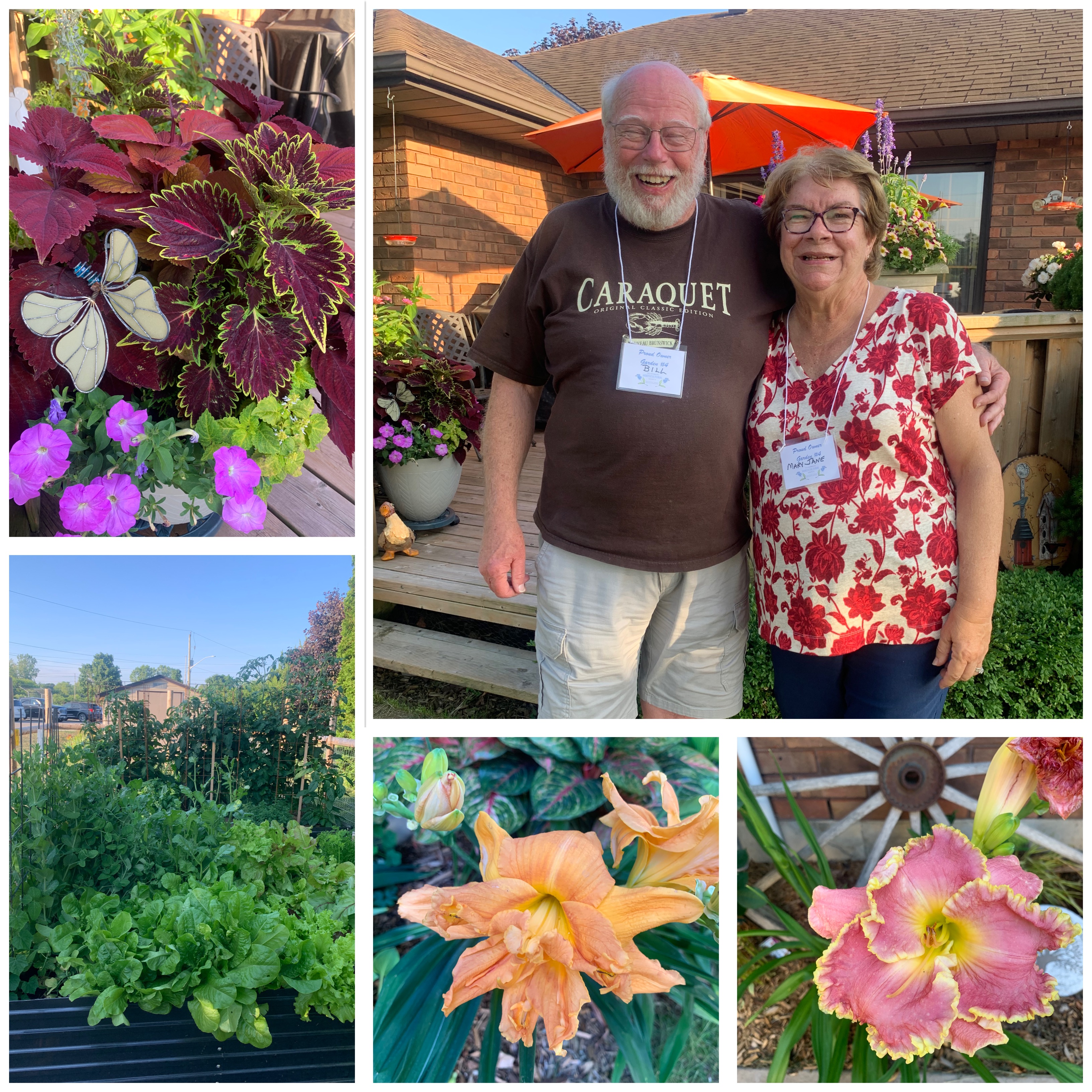
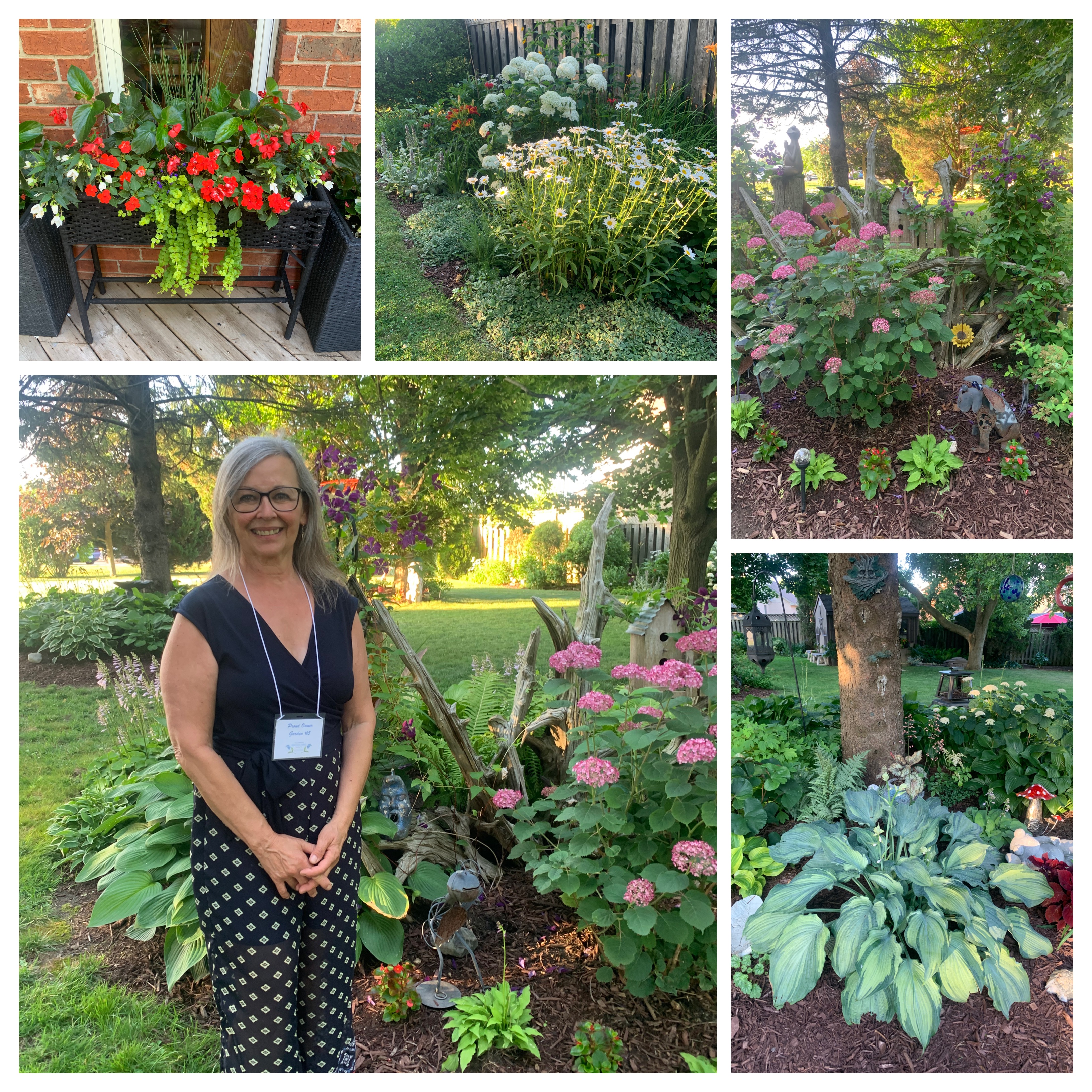
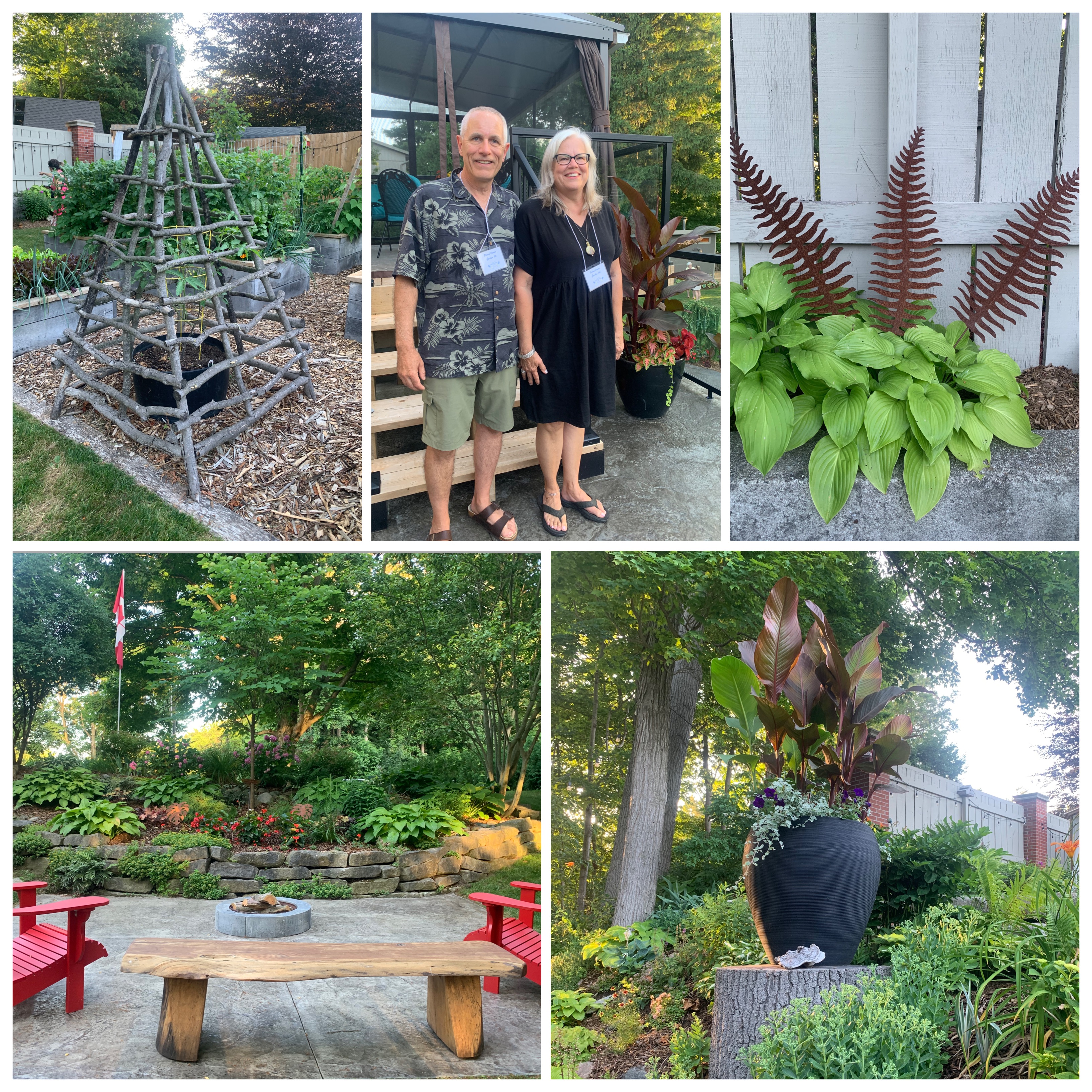
A perfect evening for the Tillsonburg Horticultural Society “Members Only” Garden Tour. It was a wonderful opportunity to enjoy beautiful gardens and socialize with fellow members while enjoying what we love.

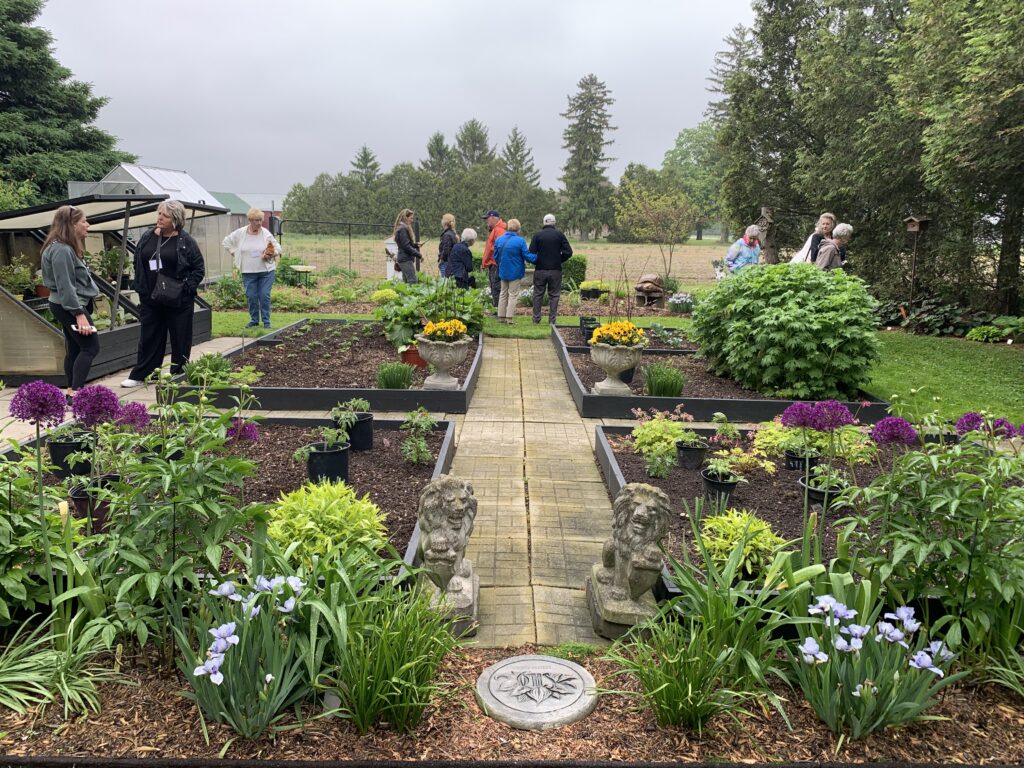
Thank you to the six THS members for preparing and graciously opening their gardens for the evening tour. Annie, Elaine & Oliver, Joanne & Jeffrey, Mary Jane & Bill, Mary & John, Sue & Mike welcomed the members on the self guided tour between 6:00-8:00pm. The gardens were different, beautiful and unique. We saw a variety of perennial, annual, native plants and vegetable gardens. Enjoy the photos of each garden. 

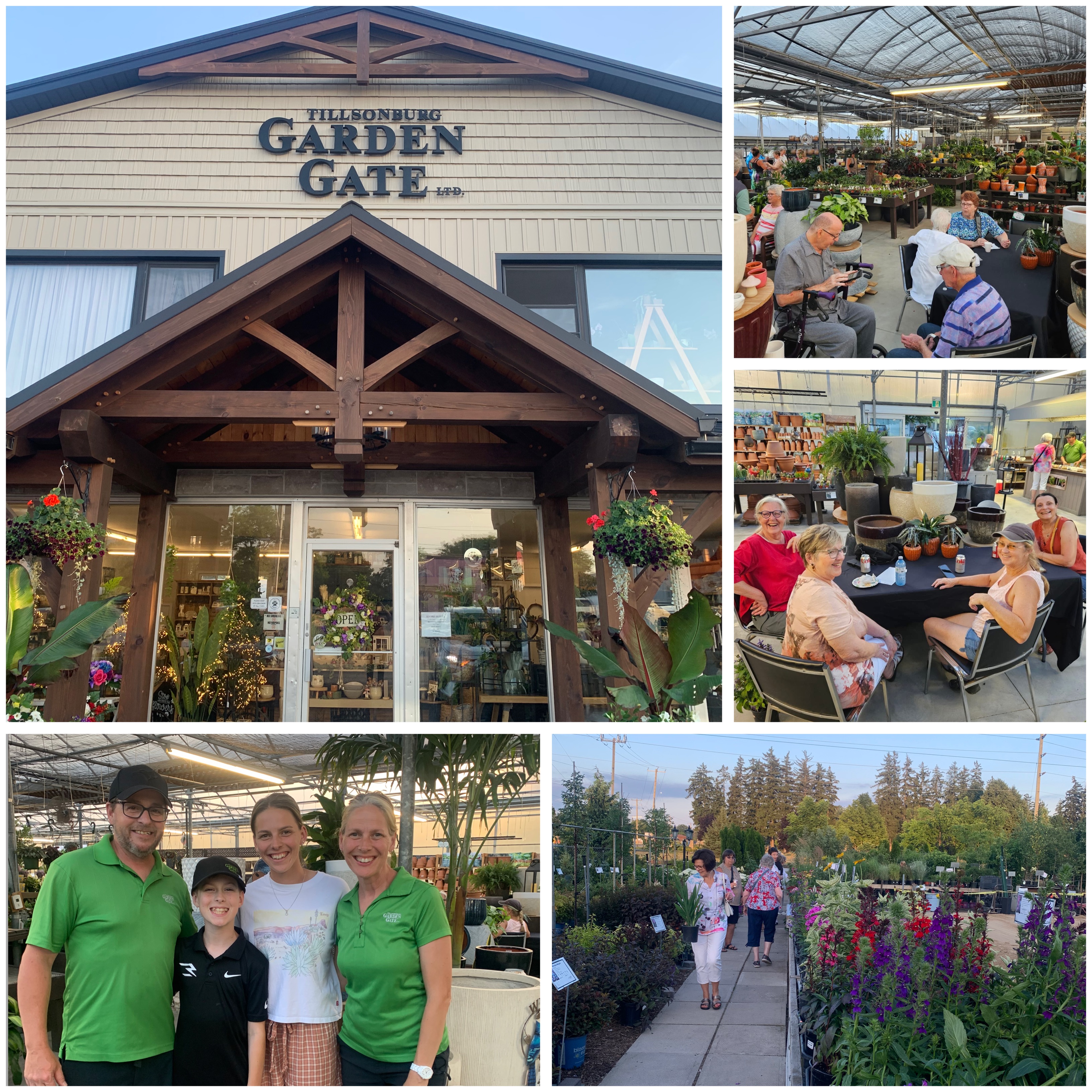
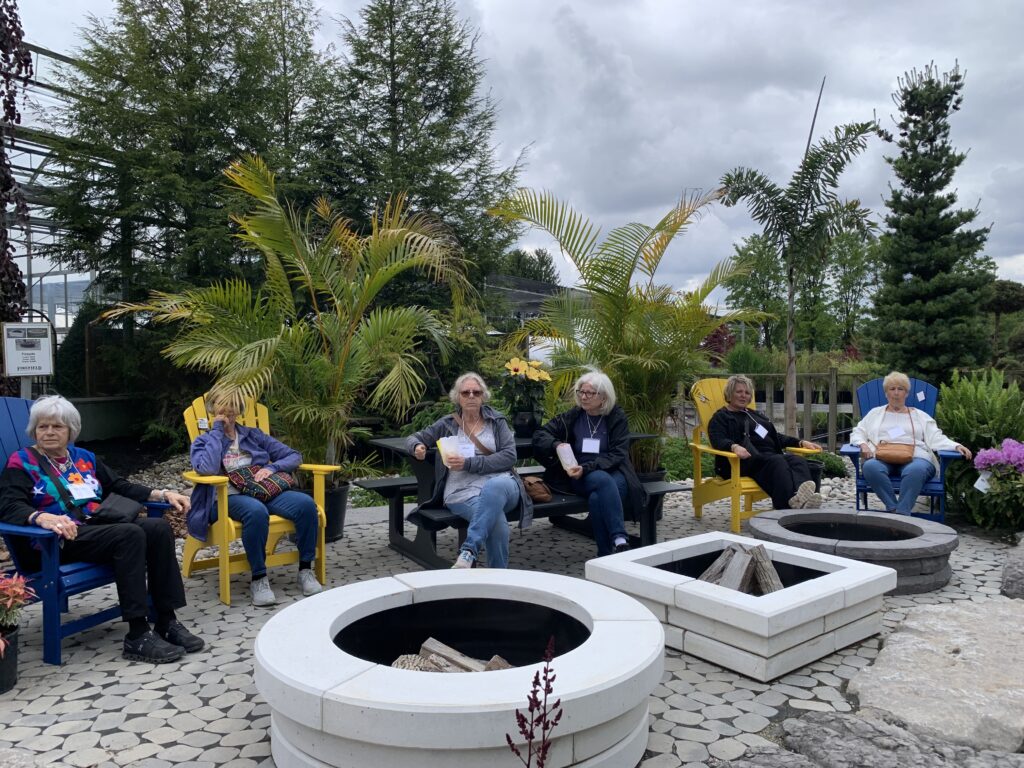
After the tour garden, Matt, Linda, Thea and Johnny Fenn welcomed us to  their family business, Tillsonburg Garden Gate for a social. They thoughtfully served refreshments, treats and set up tables to relax and socialize. We toured their beautiful garden center and members selected lovely perennials and annuals. The Fenn’s generously gave members a 25% discount on purchases and door prizes. Thank you for your continued support to the Tillsonburg Horticultural Society and our community.

THS Annual Spring Buying  & Garden Tour – May 29, 2025

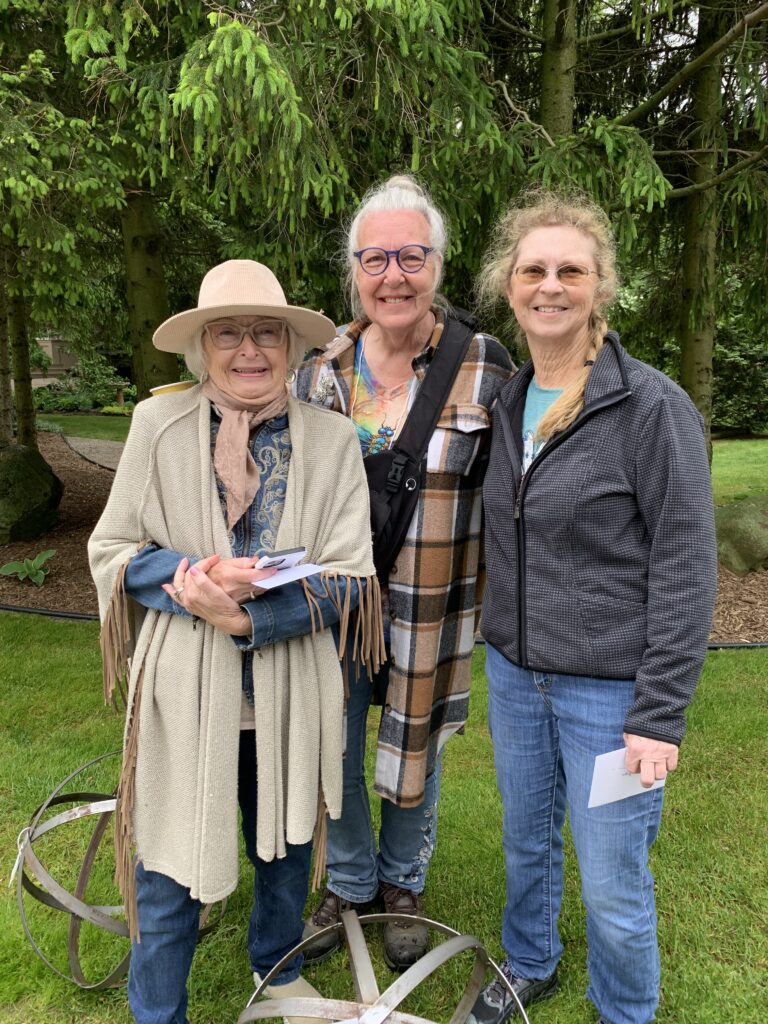
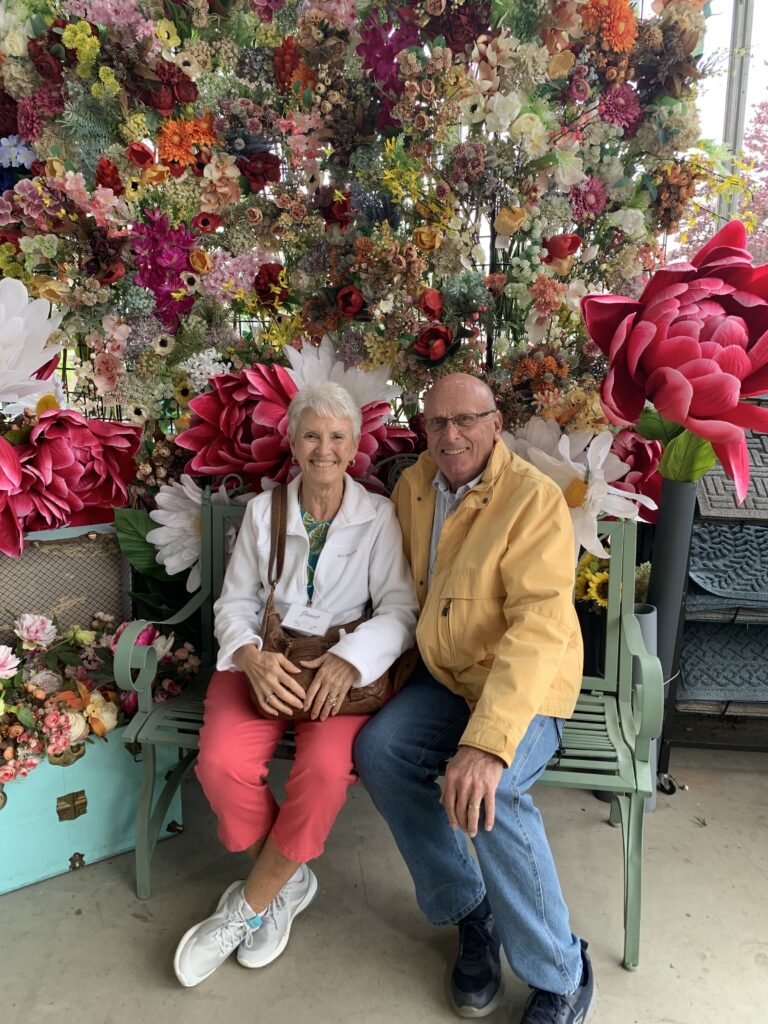
A great day for a road trip with 55 fellow THS gardeners to Wyoming, Sarnia, Petrolia and Strathroy. President Christine planned a wonderful, fun filled day! We toured 2 amazing private gardens, enjoyed a delicious lunch and visited 3 garden centres. Thank you Christine!

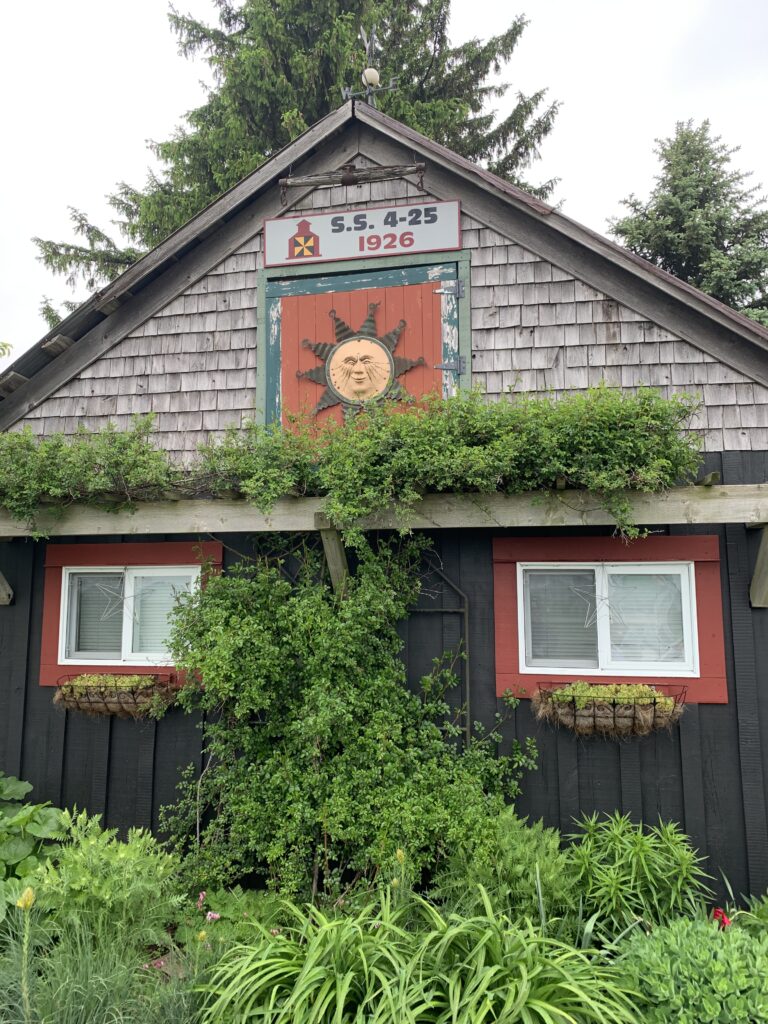
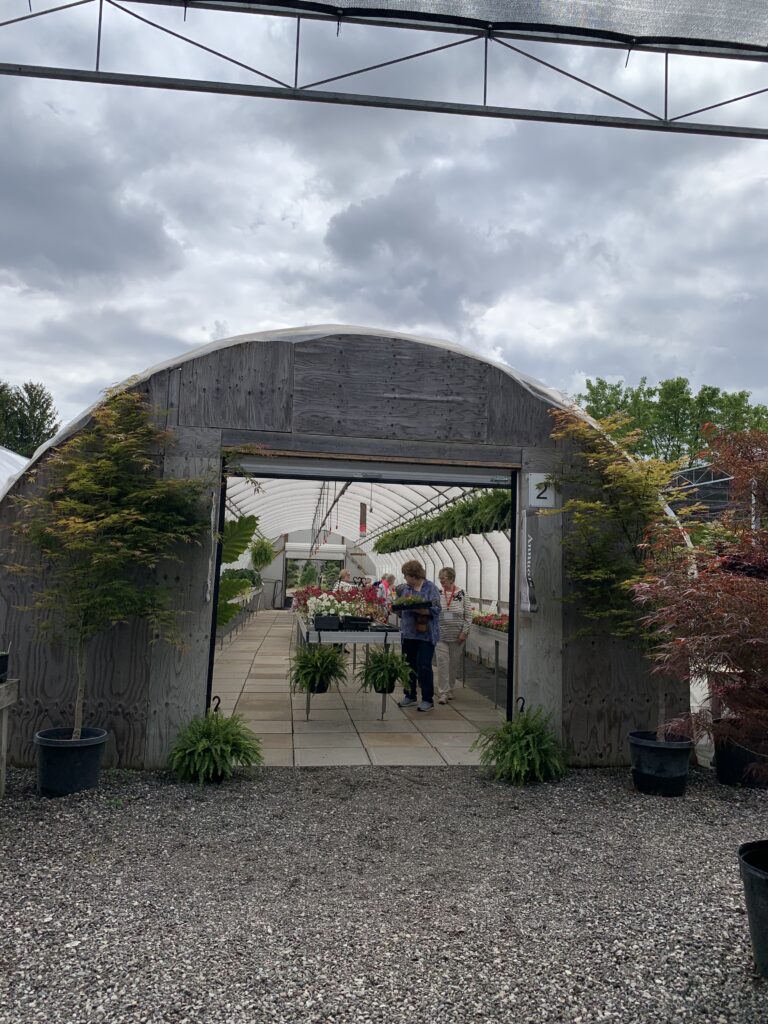
Our day began at THS member Anne-Marie and Doug’s beautiful country property. Anne-Marie welcomed us at her unique barn graced with climbing roses. The vibrant gardens of mature trees, shrubs, wide varieties of hostas and perennial’s meander around the restored 1926 schoolhouse. The unique stag horn ferns gracefully hung from the redbud tree. The Japanese dogwood, peonies and yellow magnolia trees put on quite the show today! Anne-Marie’s greenhouses are a gardeners dream. Truly a must see garden. 

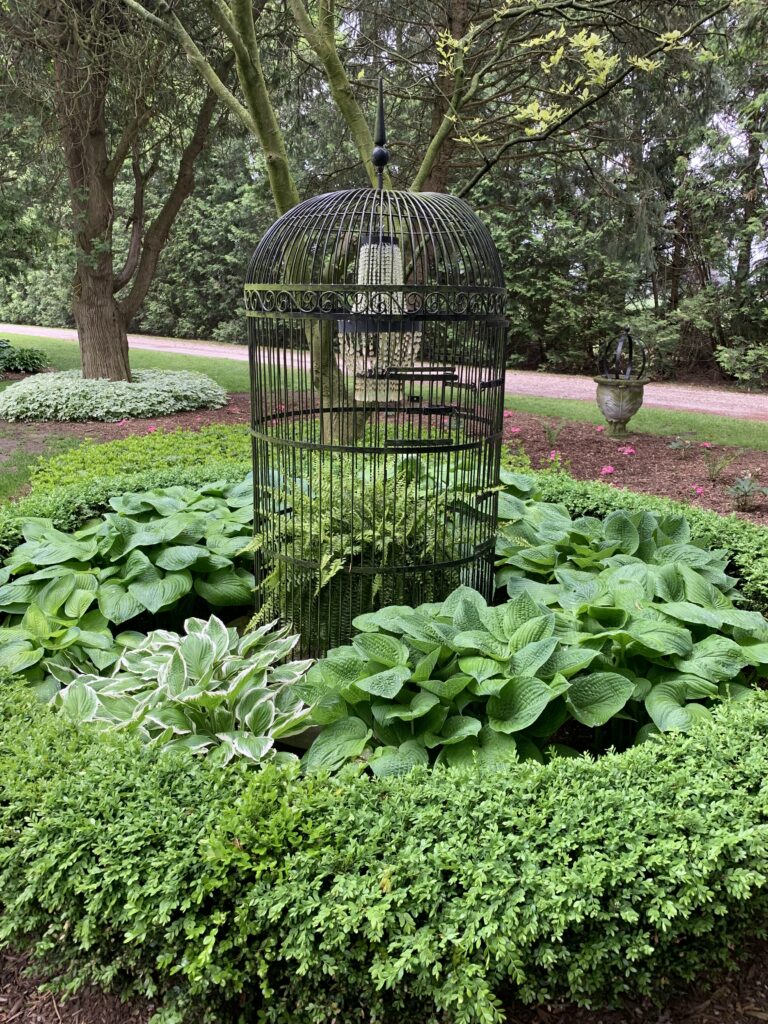
Just down the road, Lynn and her family welcomed us with coffee, cookies and a wonderful garden tour of their country property. We wandered around the elegant farmhouse on the garden paths lined with mature trees, unique boxwood hedge, large urns, garden art, a caged chandelier and lush perennials. Wonderful hosts. 

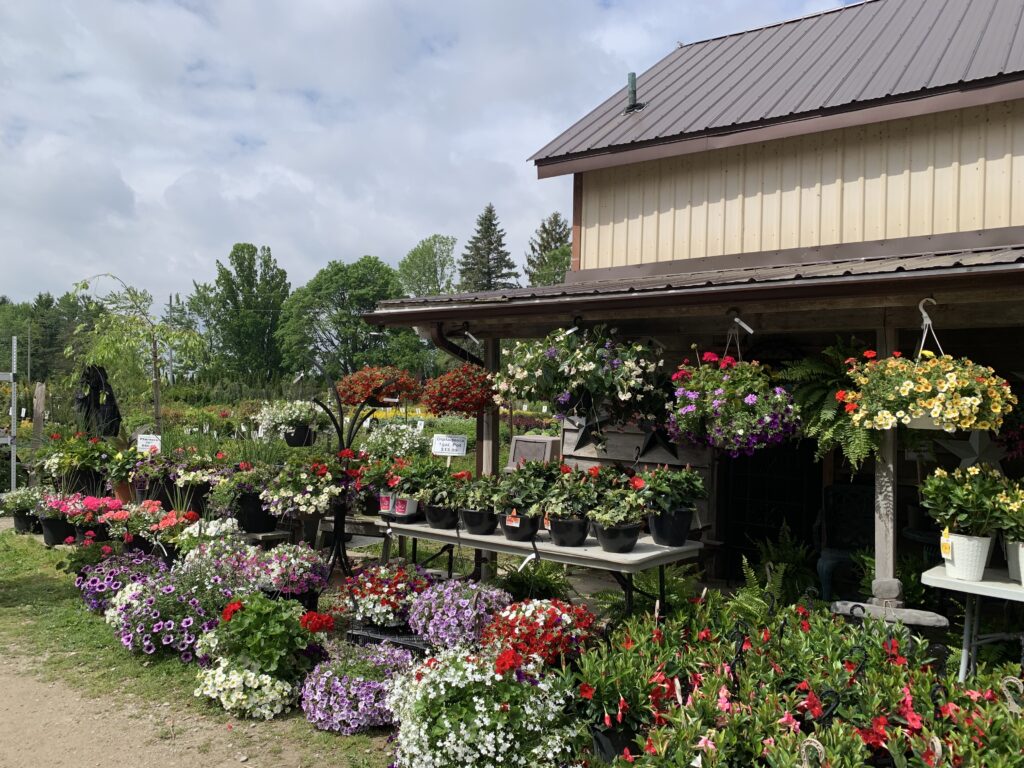
Next stop was Petrolia at Windover Nurseries. A lovely family owned garden centre specializing in Carolinian species. The garden carts filled up quickly with beautiful perennials and annuals. 

We enjoyed a delicious lunch at Wagg’s Steak & Seafood in Sarnia. 

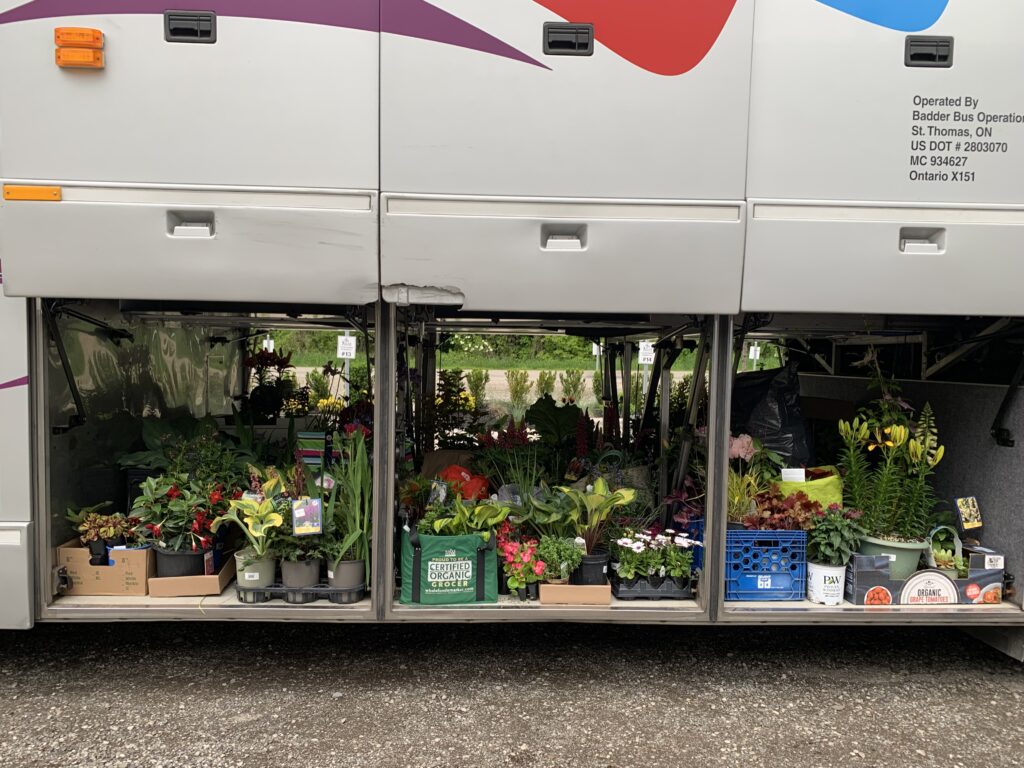
After lunch, we travelled to a large garden centre in Sarnia, De Groot’s Nurseries. A beautiful garden centre with a wide variety of perennials, annuals, trees, shrubs and gift shop. The bus storage is getting full!!

Homebound on the 403 with a final stop in Strathroy to visit the beautiful Fairfield Garden Centre. A large selection of home grown quality nursery stock of trees, shrubs, annuals and perennials. They have a lovely selection of gifts and garden decor. They even have an indoor putting green for the bored partner😂

As our THS members made their final purchases, bus driver Stan

was busy methodically arranging our plants for the ride home to Tillsonburg after a full day.  The bus storage and overhead compartments were full! 

“I have enough plants – said no one!” 

📷Pat

🌿THS June General Meeting ~ All Welcome

When: Tuesday June 3, 2025 

Time: 7:30pm 

Where: Senior Centre ~ Tillsonburg Community Centre (Entrance with green awning) 

🙌 Guests are welcome (non-members) to attend for $5. 

The 2025 annual membership of $20 will be available for purchase at the meeting by cash, cheque, debit or credit card.  

🌻Summer event information – 

Members Garden Tour – July 8th 

Members Social & Potluck – August 5th

🌿Guest Speaker: Kevin Kavanagh, South Coast Gardens

Topic: Natures Little Shop of Horrors

A topic that is of great interest to all gardeners, invasive species in our environment. Kevin will highlight invasive plants that are currently impacting our landscape. Kevin have some native plants for sale (cash only).

☕️ “Lug A Mug” ~ The THS is encouraging members to bring their own mug for a hot or cold beverage and dessert following the meeting.

🗓️Next General Meeting September 2, 2025

It’s still just dirt…May 2025

By Sue Healey, Tillsonburg Horticultural Society

This spring has been a long, and drawn-out one in my corner of the world. The green haze over the trees is only now knitting together to obscure the branches, puddling the streets with their lime or bronze catkins. But spring is fleeting in south-western Ontario and gone in a blink. We’re as likely to have sunburns by mid May as we are frost. But a slow start need not be a bare one.There are blooms to be had in the very early days if you know where to look. Before the heady rush begins, in the gentle, quiet time of early spring, there is a group of plants that offer us the first signs of the season to come.

Ephemerals, as they are informally known, are perennial plants that emerge, bloom and then quietly disappear, all in the space of a few weeks. This loose band of plants, many of them native to our own woodlands, bring some of the first colour to the year despite rain and freezing temperatures and even the occasional snow shower.

My own garden holds just a few examples of these vanishing beauties but there is one for almost every site and each is worthy of searching out. Their early appearance satisfies my (some would say, impatient) poking about and provides a welcome distraction from the monotonous browns and greys of the early garden.

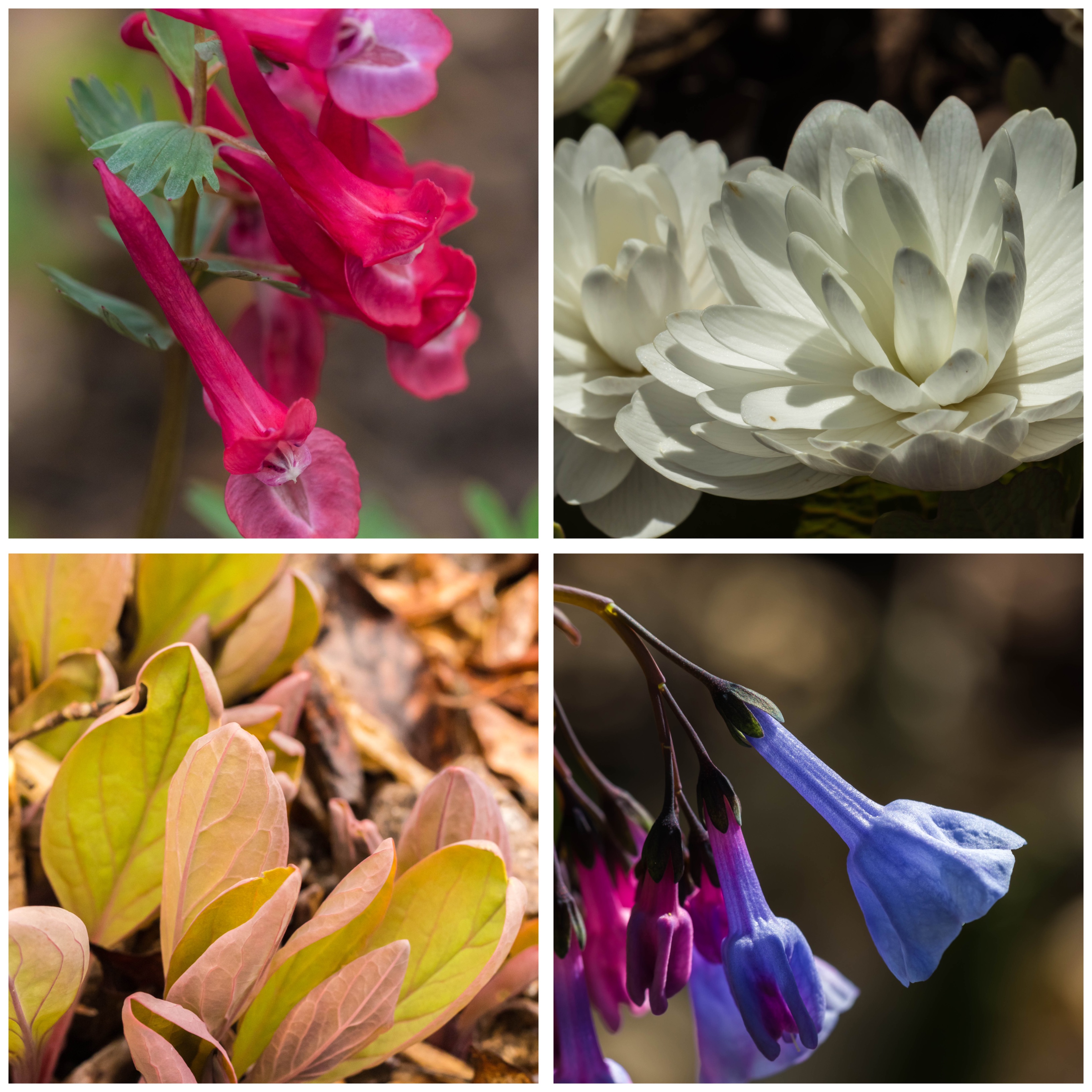
The first to bloom, in the dappled shade at the edge of a star Magnolia, is our native bloodroot, properly called Sanguinaria canadensis. Often nosing it’s way out of the ground by mid April; the lobed leaves clasp the flower buds as they make their way to the light, gently unfurling as the buds open into chalk white, daisy like flowers. There are single and double types available, both offering handsome leaves that expand after flowers fade. Easily adapted to the garden in consistently moist soil, this rhizomatous perennial goes completely dormant by mid summer, so marking is recommended.

Just as the bloodroot finishes, Grecian windflowers (Anemone blanda) begin. Delicately dissected leaves first appear in mid April followed by daisy like flowers in shades of white, pink and purple. Flowers open with the sun and close each night,preserving their beauty and making this one of the longest lasting ephemerals in the garden. Leaves fade a few weeks after the flowers do and disappear by early summer. The small corms, dark and leathery, are planted in late summer or early fall insemi-shade with moist, well-drained soil, rich in humus. Most of the shrubs in the garden have their attendant spring bulbs; tulips, daffodils and windflowers, with their diminutive stature, are the carpet beneath them. Here, they are undisturbed as they form gentle drifts through seedlings and corm division. Corms are readily available in autumn through bulb catalogues or garden centres.

Although our native trout lily (Erythronium americanum) often lasts only a few days, it is well worth adding to your woodland garden. This member of the lily family is native to eastern North America, prefers dappled shade and moist, rich soil. Trout lilies are best in drifts, along stream banks and ditches where their nodding flowers can be best appreciated. Unlike most lilies, erythronium has handsome, strap-shaped leaves often mottled in bronze or cream. Various colours are available from the yellowand bronze trumpets of Erythronium americanum to white (E. albidum) and shades of lilac (E. dens anis). Look for the hybridized E. “Pagoda” for larger, golden yellow flowers.

One of the earliest and brightly coloured of the ephemerals is spring blooming Corydalis. I had the pleasure of catching this dragon-mouthed beauty in mid April as it swathed over a raised bed, under the bare limbs of Japanese maple. Waves of pink and purple covered the ground, seedlings and divisions, obviously happy under the chilly but bright sky. Corydalis cava (also sold as E. bulbosa) is a tuberous, hand tall member of the very largeand diverse Corydalis family. Forming mounds of lacy, pale green leaves much like those of bleeding heart (Dicentra), thickly packed racemes of blossoms appear shortly afterwardsand last a week or more. Plants can self seed if given ideal conditions: sun or light shade and moist but well drained, slightly acidic soil. Seedlings are best moved just after floweringand planted quickly to avoid tubers drying out. Well established patches offer vibrant drifts of colour early in the season,disappearring by the onset of summer. Other species of Corydalis offer later bloom times and different colours; C. lutea blooms throughout the summer in golden yellow and C. flexuosa in blue over the summer.

The last of my ephemerals to bloom is Mertensiapulmonarioides, more easily called Virginia bluebells. A mid sized wildflower native to the eastern half of North America, Mertensia will send up single stems clothed in spooned shaped leaves in mid to late April. The leaves, flushed in warm, rosy hues are lovely as they emerge, ripening to a fresh, bright green with the topmost leaves still edged in rose. By early May and just as the dogwoods begin, each nodding stem is tipped in a cluster of pink buds that open and age to clear, turquoise blue trumpets. Lasting (in good weather) for a week, this member of the Borage family does best in partial shade with humus rich soil. Long lived and pest free, propagation is by division after the plant goes dormant in early summer or by seed. Virginia bluebells are a wonderful way to add some blue to the early spring season.

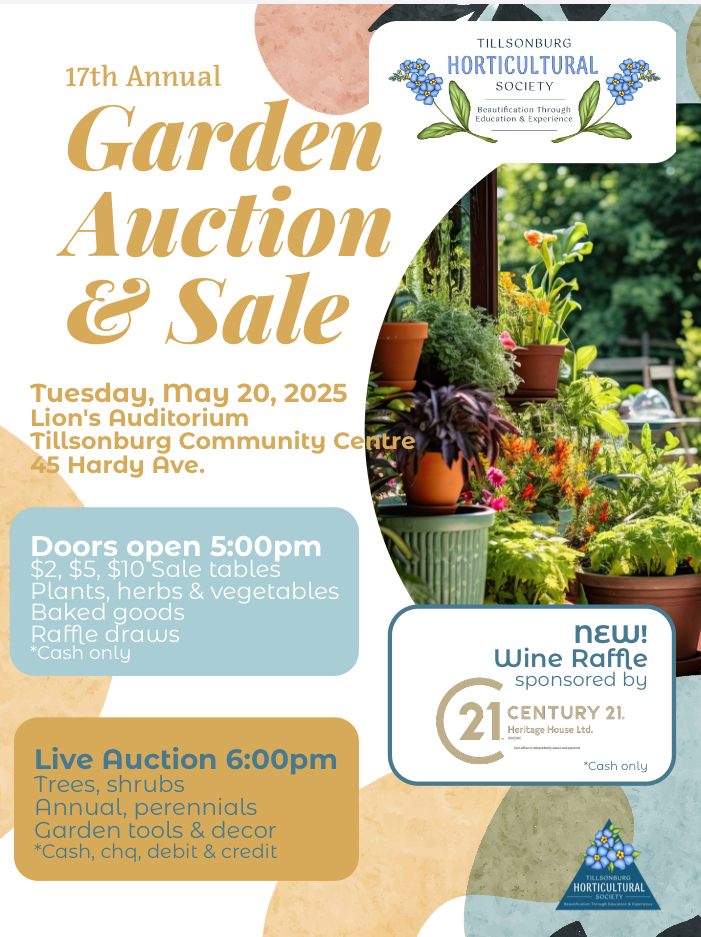
Your local Horticultural Society is a fantastic resource for early spring blooms, both in knowledge and plants. This year’s 17th Annual Garden Auction & Plant Sale will be held on Tuesday, May 20, 2025, and all are welcome. Every year brings new and exciting plant and garden material. This year’s patriotic red & white Colour of the Year is sure to bring in some unique items. Doors open at 5:00pm, Tillsonburg Community Centre, Lions Auditorium

📷 Sue H

🌷THS May General Meeting ~ All Welcome

When: Tuesday May 6, 2025 

Time: 7:30pm 

Where: Senior Centre ~ Tillsonburg Community Centre (Entrance with green awning) 

🙌 Guests are welcome (non-members) to attend for $5. 

The 2025 annual membership of $20 will be available for purchase at the meeting by cash, cheque, debit or credit card.  

🌷 Sign up and payment before the meeting for the Spring Buying & Garden Tours to Wyoming & Sarnia Region. Members $100 and Non Members $120. Cash, cheque, debit or credit. 

 📅 The 17th Garden Annual Garden Auction and Plant Sale – May 20th. Lots of information to share at the meeting! 

🌺Guest Speaker: David Hobson, Writer

Topic: Behind the scene guided tour of the Chelsea Garden Show

David is a well-known writer, with 22 books under his belt and writes a gardening column for the Waterloo Record. David will be taking us on a behind the scene guided tour of the Chelsea Garden Show in London England. This garden show is a must see if you love gardens.

☕️ “Lug A Mug” ~ The THS is encouraging members to bring their own mug for a hot or cold beverage and dessert following the meeting.

🗓️Next General Meeting  June 3, 2025 

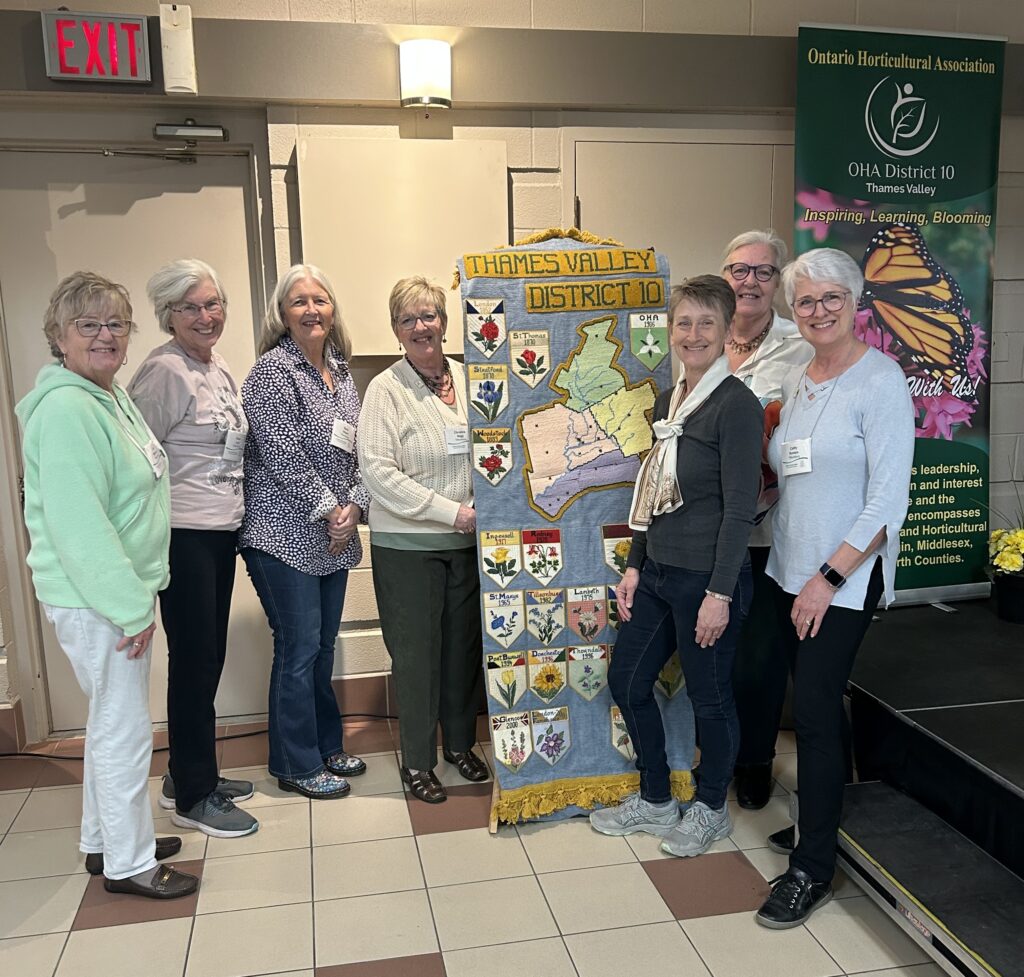
OHA District 10 AGM – Stratford

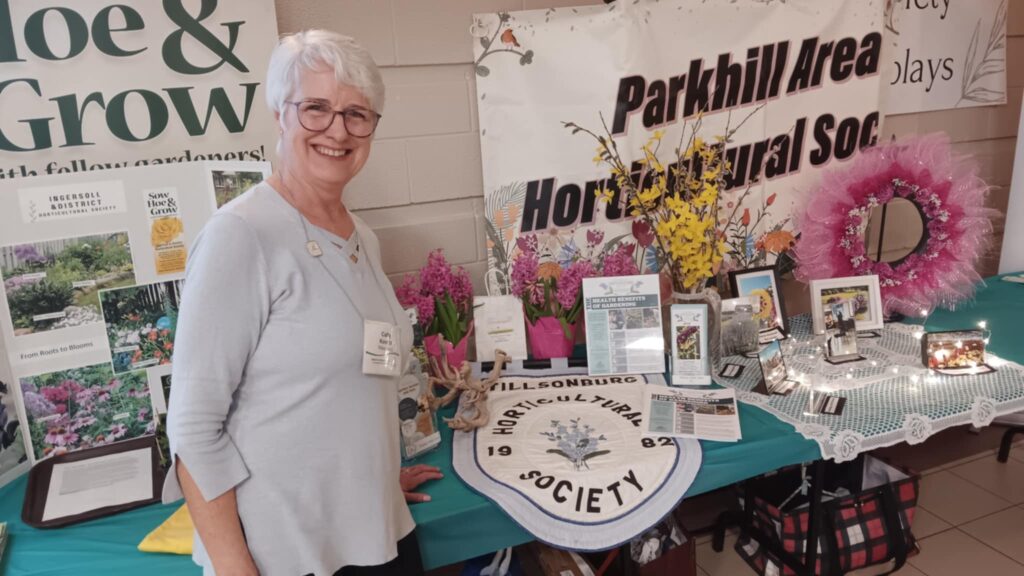
Thank you to the Stratford and District Horticultural Society for hosting the District 10 Annual General Meeting. The day offered District 10 business information, 2 great guest speakers, a lovely lunch and a flower show. 

Seven THS directors attended the event on April 26 in Stratford. THS members entered flowers and photos in various categories in the flower show. Congratulations ladies – 

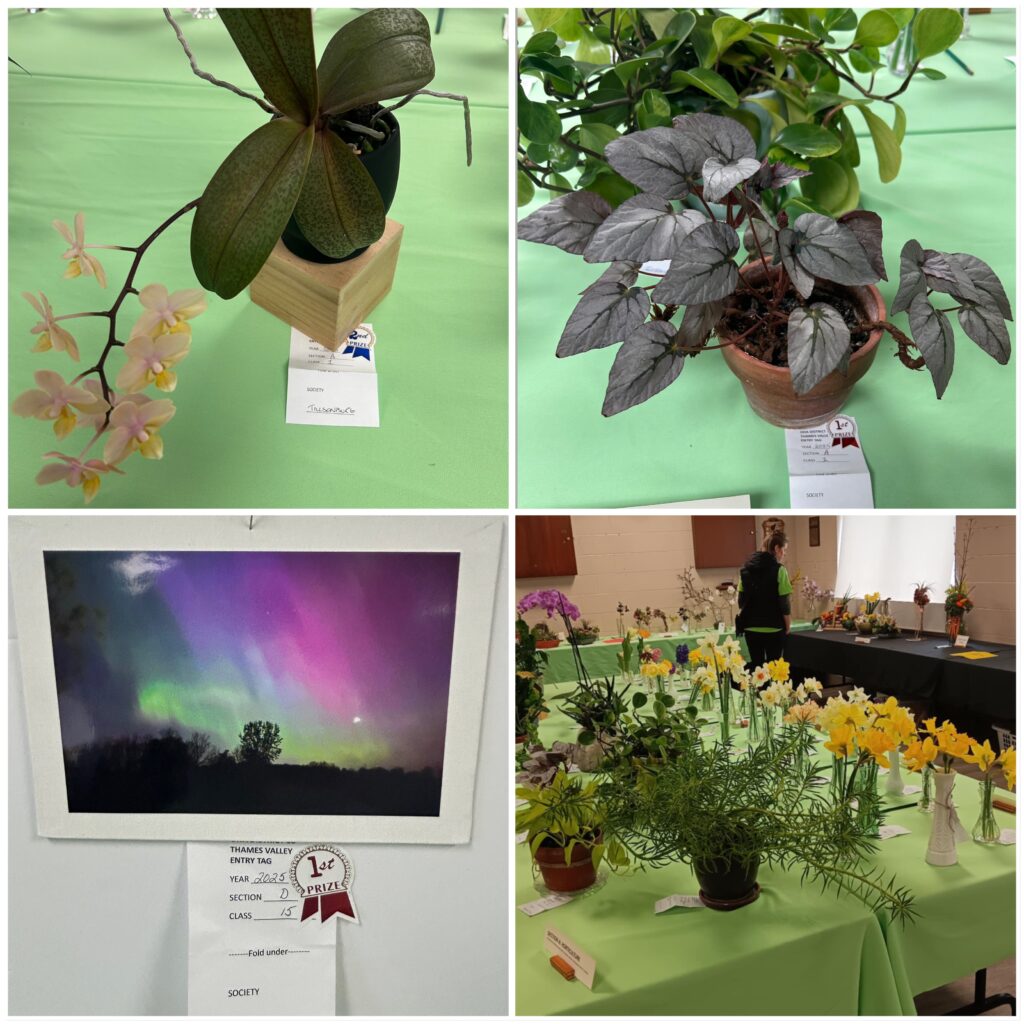
Sue’s orchid came in 2nd place in the Houseplant Grown for Flowers Class. Her begonia came in 1st place in the Houseplant Grown for Foliage Class. 

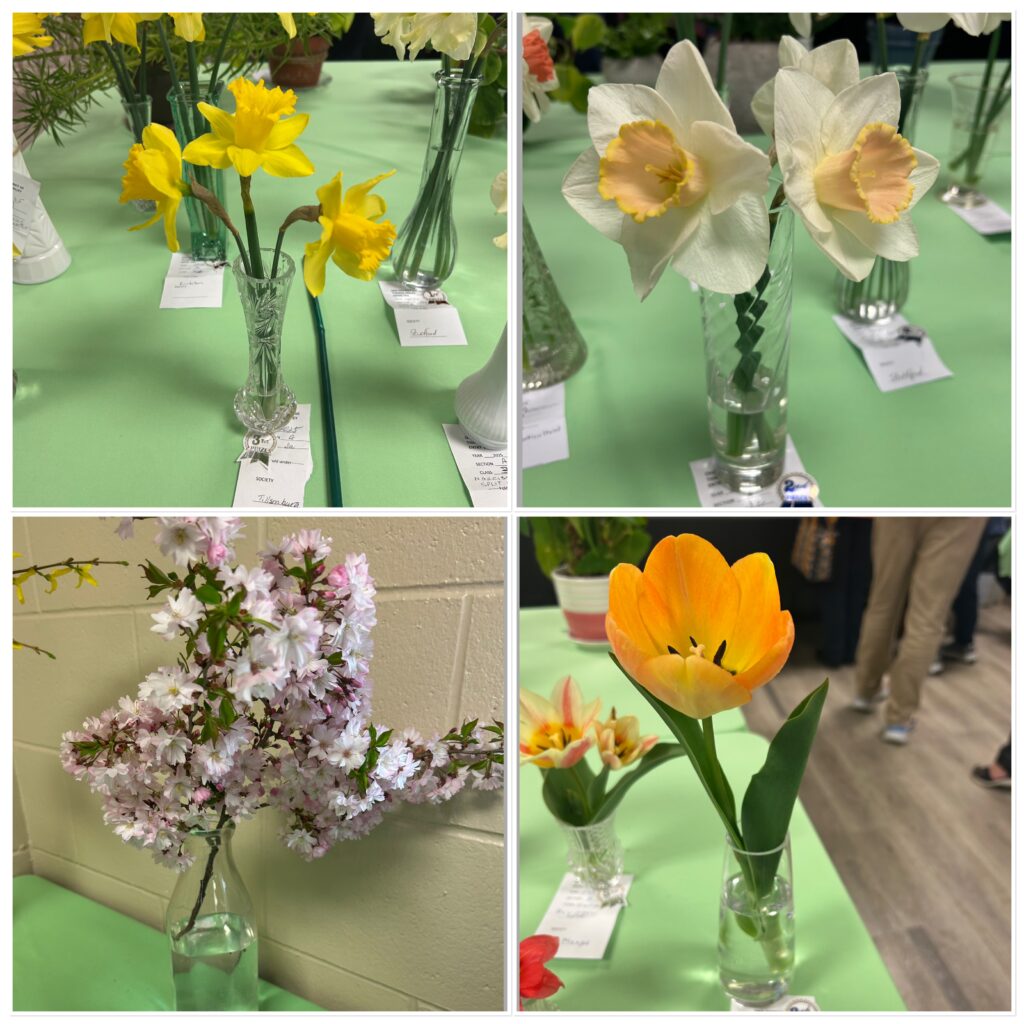
Christine’s Cherry Blossom branch came in 2nd place in the Flowering Branch Class.

Cathy’s daffodils came in 3rd place in the 3 stems large-cupped narcissus/daffodil Class 3a. Cathy’s Split Corona yellow daffodils came in 2nd place in the 3 stems split corona narcissus/daffodil Class 3B.

Mary’s cream and peach daffodils came in 2nd place in the 3 stems small-cupped narcissus/daffodil Class 3C.

Sherry and Kathy’s tulip, came in 2nd place in the One stem of any other Flowering Bulb Class 4

Cathy’s photo of the Aurora Borealis came in 1st place in the Photography Section, Colours of the Aurora Borealis Class 15.

📷 Cathy and Barb 

🌧️THS Spring Workshop🌷

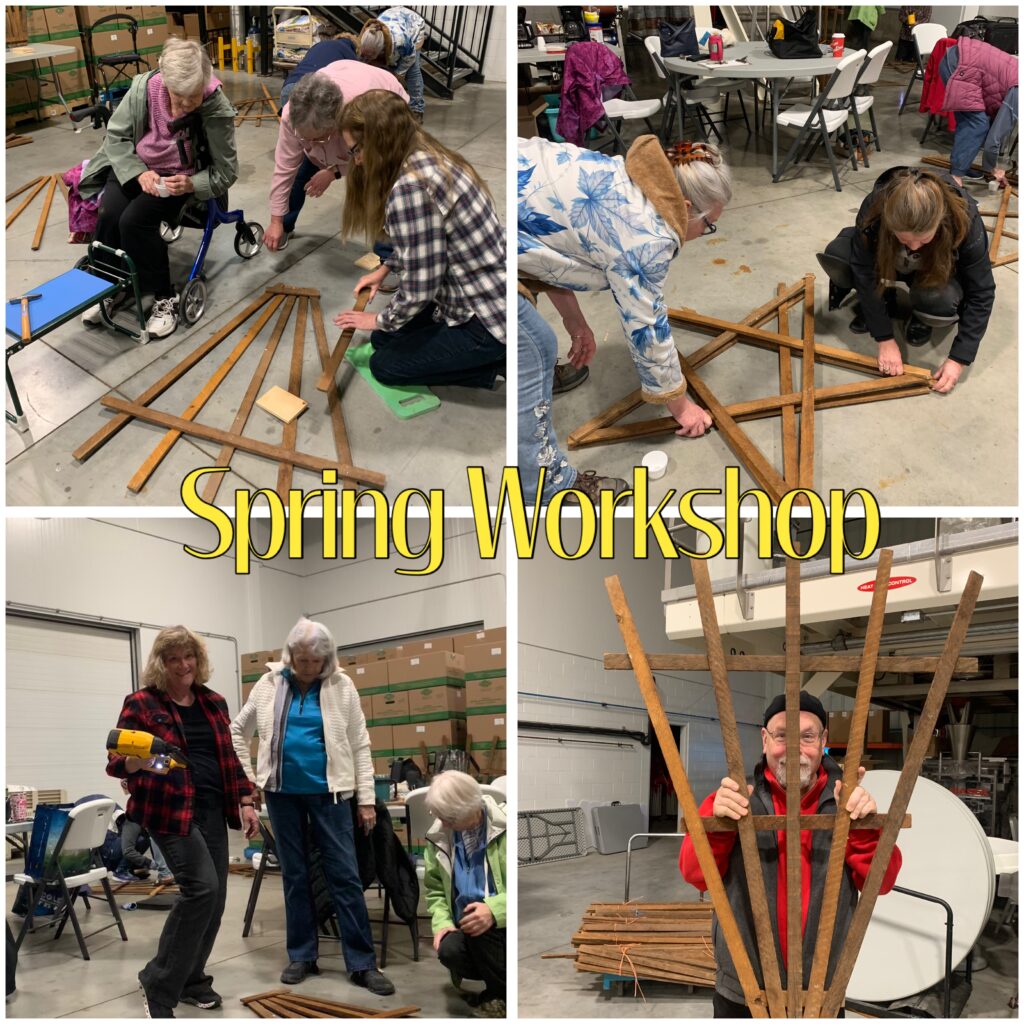
A great morning had by all at Ramblin Road Brewery for the THS Spring Workshop! Thank you to Patty P for hosting, instructing and co organizing with Barb Q. Awesome work ladies👏

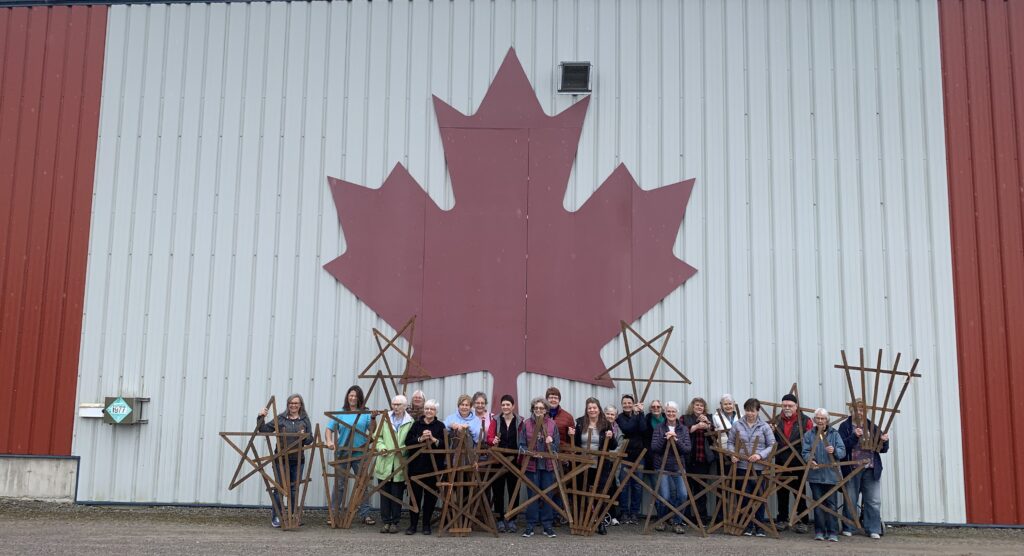
Twenty THS members arrived with hammers and a couple nail guns to construct garden fan trellis and a star trellis. We all had fun and worked together on the garden projects. 

📷 Pat