Sue Healey, Tillsonburg Horticultural Society
“The Lasting Impact of Garden Gifts”
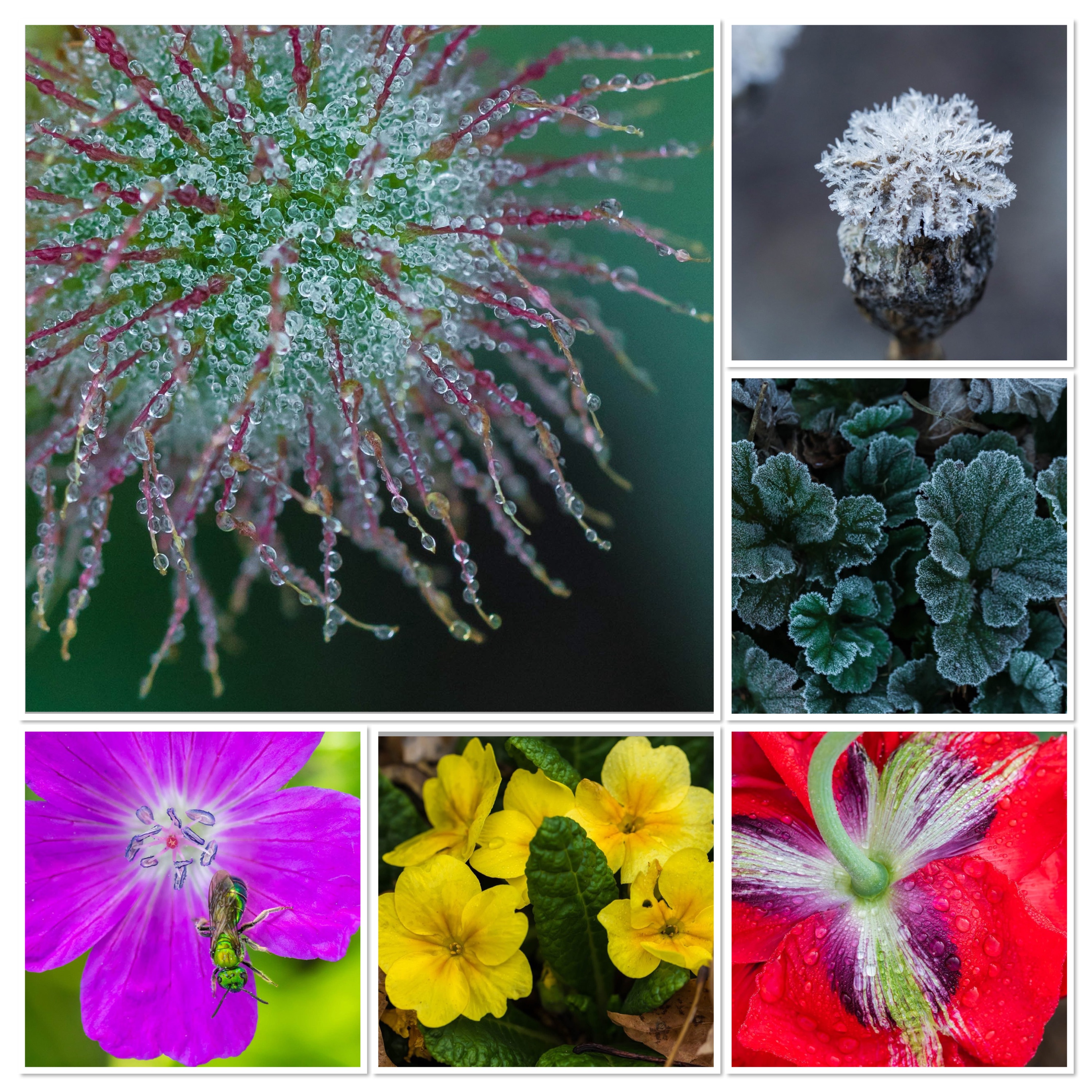
At the end of the year, when the shadows and snowdrifts gather to cover the garden, I spend the long evenings sorting through the photographs I’ve taken over the year. Most are of the gardens that surround my home. This sifting of images fills the time that would be spent outside given better weather and light. As I flick through them, I see that many of the trees and plants that catch my eye and camera, the ones I admire most, have been gifts to me. They have come as tokens of celebration, markers of days gone by or as rescues from gardens lost or in transit. And sometimes, they have come simply as a way to share a bit beauty. Each plant is cherished and sparks a memory of the giver, a gentle nudge to remember. Their presence enriches both the soil and the spirit, creating a garden that is not only visually appealing but deeply meaningful. This blend of individual contributions ensures the garden remains a place of beauty, remembrance, and ongoing growth.
This year, my lens has been caught by a poppy that has roamed my garden for as long as I’ve tilled its soil. Collected as seed long ago in my parents’ meadow garden, it reminds me of them both, my mother’s flamboyant energy, my father’s quiet grace. Papaver rhoeas, commonly referred to as the field poppy due to its liking of disturbed ground, is an easy to grow annual with many variations. Mine is fully double, although highly variable from year to year in petal count and colour and always a showstopper. Swan necked stems over silvery green, jagged leaves appear in early spring, each topped with shapely buds that split in spectacular fashion: a multitude of frilled, silken petals, in shades from deep crimson to pale pink unfurl over the season. Blossoms last only day or two, but even that loss is dramatic; like a feather boa, shrugged off the shoulders of an 80s era soap-opera star. Blooming continues through most of summer and provides striking contrast to green, silver, or white backgrounds.Plump seed heads dry to papery husks that spill their miniscule contents at the slightest touch and set next year’s crop. They persist through the winter days, providing a perch for frost or snow, or tiny bird.
In the far corner of the garden, grows another gift that I treasure. This one, a Geum, is a low growing member of the rose family. It came to me decades ago and has been an all-season favourite from the beginning. Early blooming, and in my favourite colour, Geum is a perennial to bridge the gap between spring bulbs and the bounty of June. The rich orange blossoms open over a series of days, and as they age, fade to pale apricot. New and old blooms are present together, resulting in a two-tone effect that softens the brazen orange. Seed heads are hairy and round, darkening to black as they dry before shattering in the wind. The pleated leaves are semi-evergreen and provide an unusual texture to the front of the early winter border. Geum comes in various warm shades of red, orange, cream and yellow and prefers full sun with well drained but moist soil.
Almost as early as the Geums and as varied in tone as the poppies, are the perennial geraniums that reside in the garden. Of the dozens of varieties available, I grow only a few and most of those from a last-minute rescue for my mother-in-law. They are as cool and steadfast as the woman herself. Each surviving plant is a luminescent shade of violet, some sky blue, others with a touch of pink. Unfazed by drought or pest, this unassuming perennial is a hardworking addition to most gardens. Blooming from early summer to frost, with leaves that often display rich autumn colour, they are also easy to care for. A place in full to partial sun, a spring sheering and topping of compost will ensure this perennial thrives. Mound forming, with lobed leaves that can also vary in size and cut perennial geraniums are excellent at the front of the border. Five petaled flowers range in colours from blue to white and pink with blue flowered varieties showing the most range. Each one is a worthy addition to the garden.
There are other gifts too, the yellow garden is filled with largessof friends and family. Primrose and false fuchsia, yarrow, and calendula line the border along the fence. Roses fill the garden with perfume and the memory of family scattered across the nation. The faded petals of a daylily under the lime green leaves of sumac bring memories of winter days bent over velvet and corduroy. Every gifted plant holds a special significance, weaving together memories of the giver and moments in time.
As the seasons change, these treasures offer colour, texture, and life to the landscape, enriching both the visual appeal and emotional depth of the garden and making each day spent among them more meaningful and rewarding.
Garden gifts come in many forms, and The Tillsonburg Horticultural Society has several to offer. Member’s enjoyed the annual Christmas Potluck in early December and look forward to a year filled with the latest information, exciting trips and tours and the joy of society. Regular meetings will resume on January 7, 2026, with Mike Prong and his presentation “Perennial Power ~ 20 plants that keep you coming back.” January 6, 2026, 7:30pm, Tillsonburg Senior’s Centre
Membership: $25/year $5/meeting.
The Society wishes you safe and healthy holiday season and a peaceful new year.
📷 Sue